Blog
Comparatif des paiements en ligne sans documents KYC ?

Les procédures de vérification d’identité (KYC, Know Your Customer) sont devenues la norme dans le secteur des paiements en ligne. Elles permettent aux prestataires de paiement de lutter contre le blanchiment d’argent et la fraude. Cependant, de nombreux entrepreneurs, freelances et propriétaires de boutiques WooCommerce recherchent des solutions leur permettant de commencer à recevoir des paiements rapidement, sans devoir fournir immédiatement un ensemble complet de documents administratifs.
Toutes les solutions de paiement ne fonctionnent pas selon le même modèle. Certaines jouent le rôle d’intermédiaire financier et encaissent les paiements avant de les reverser au marchand, tandis que d’autres permettent au commerçant de recevoir directement les fonds sur son propre compte.
PayPal
PayPal est l’une des solutions de paiement les plus populaires au monde. Dans certains pays, il est possible de créer un compte et de recevoir de petits paiements avant qu’une vérification complète ne soit demandée. En revanche, lorsque le volume de transactions augmente ou que certains seuils sont atteints, PayPal exige généralement des documents d’identité ainsi que des justificatifs d’activité.
Avantages :
– Forte notoriété internationale.
– Facile à intégrer.
– Compatible avec de nombreuses plateformes.
Limites :
– Vérification KYC obligatoire à terme.
– Restrictions selon les pays.
– Possibilité de limitation temporaire du compte en attendant les documents.
Stripe
Stripe est particulièrement apprécié des développeurs et des entreprises SaaS grâce à ses API performantes. Toutefois, son modèle repose sur une vérification complète du marchand. L’identité du propriétaire ainsi que les informations de l’entreprise sont généralement demandées avant ou peu après l’activation du compte.
Avantages :
– Excellente intégration technique.
– Paiements par carte bancaire dans le monde entier.
– Outils avancés pour les entreprises.
Limites :
– KYC obligatoire.
– Création de compte plus exigeante.
Paystack et Flutterwave
Très populaires en Afrique, Paystack et Flutterwave permettent d’accepter les paiements par carte bancaire, Mobile Money et d’autres moyens de paiement locaux. En raison de leur statut de prestataires de services de paiement, ces plateformes exigent une procédure de vérification des commerçants avant ou pendant l’utilisation du service.
Avantages :
– Large couverture africaine.
– Nombreuses méthodes de paiement.
– Intégrations WooCommerce disponibles.
Limites :
– Vérification KYC obligatoire.
– Les fonds transitent par la plateforme avant d’être reversés au marchand.
Les cryptomonnaies
Les paiements en Bitcoin ou dans d’autres cryptomonnaies constituent une alternative particulière. Un commerçant peut recevoir directement des fonds dans son portefeuille personnel sans passer par une vérification d’identité.
Cependant, lorsque vient le moment de convertir ces cryptomonnaies en monnaie locale via une plateforme réglementée, une procédure KYC est généralement imposée.
Avantages :
– Réception directe des paiements.
– Pas d’intermédiaire bancaire pour la réception.
Limites :
– Forte volatilité.
– Conversion en monnaie locale souvent soumise au KYC.
– Adoption encore limitée pour le commerce traditionnel.
Till PayTech : une approche différente du paiement Mobile Money
À la différence des agrégateurs de paiement, Till PayTech adopte un modèle différent.
Il s’agit d’ intégration par passerelle de paiement Mobile Money. Son objectif n’est pas de conserver les fonds des commerçants, mais d’automatiser la validation des paiements Mobile Money.
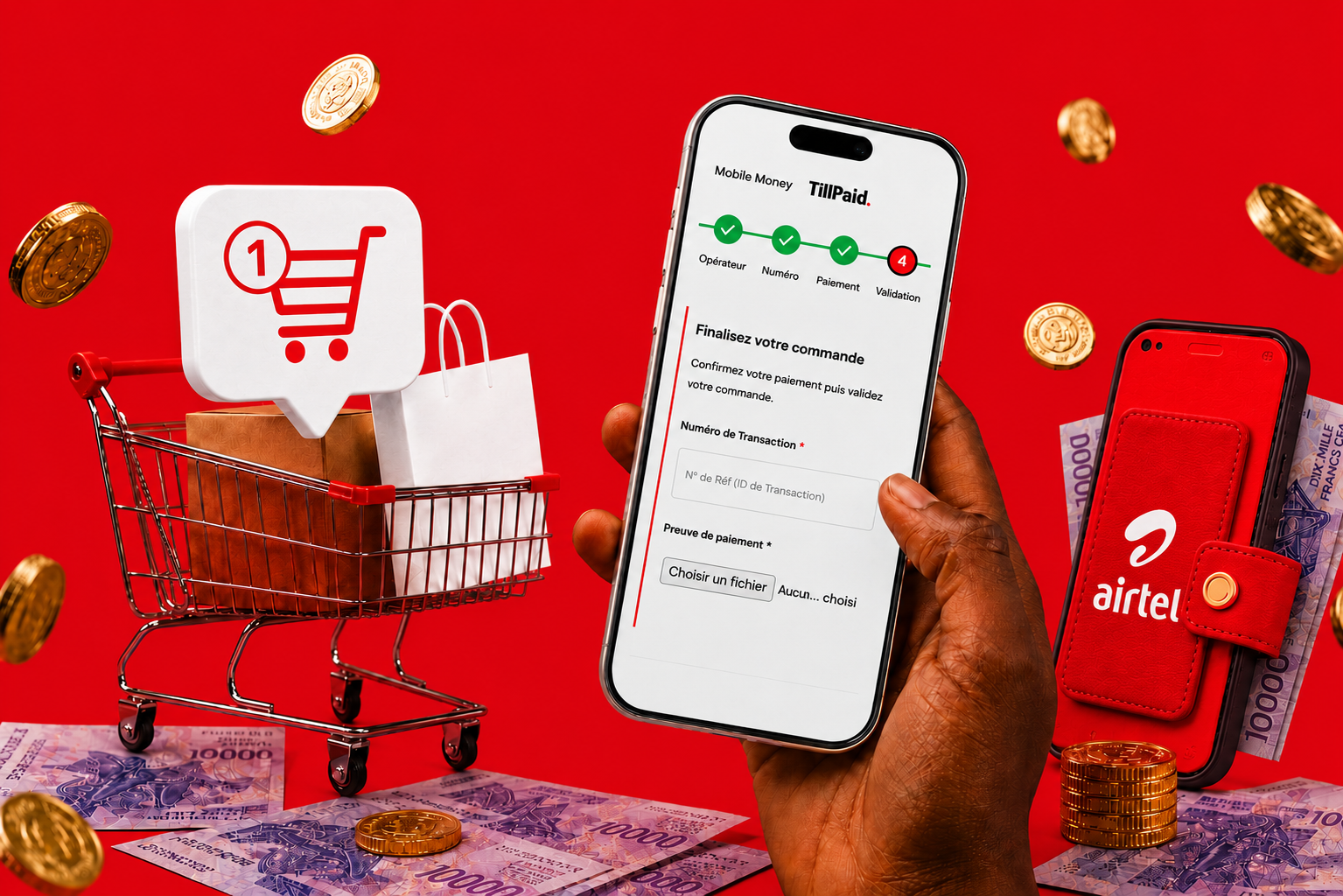
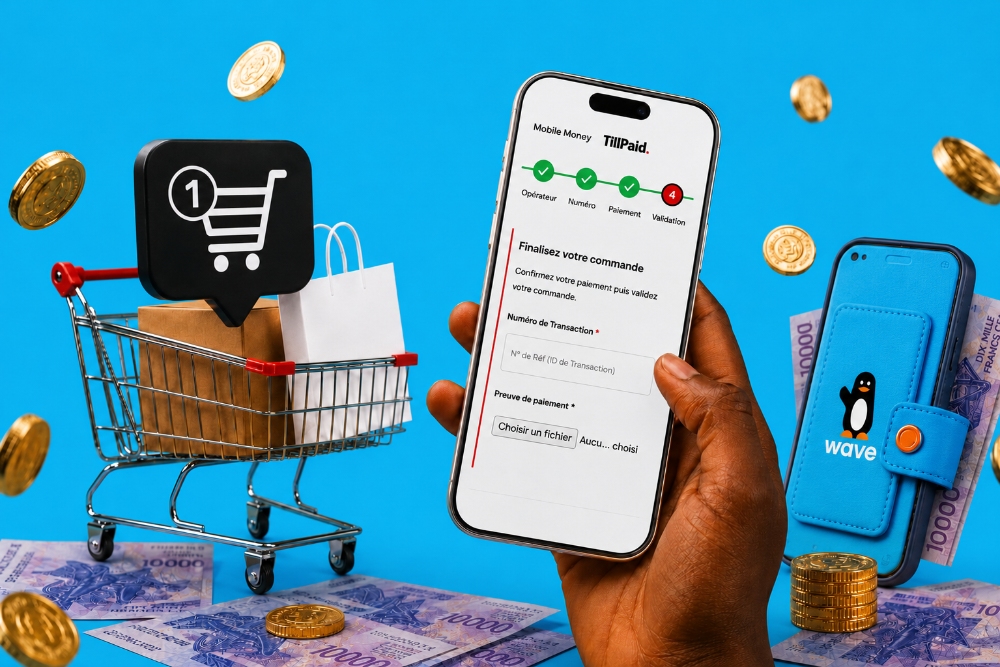
Lorsqu’un client effectue un paiement, l’argent est envoyé directement sur le numéro Mobile Money du commerçant. Till PayTech analyse ensuite automatiquement la preuve de paiement grâce à une technologie de reconnaissance intelligente de caractères (OCR).
Les informations importantes, comme le montant transféré, le numéro du bénéficiaire, la date, l’opérateur Mobile Money et d’autres éléments de sécurité, sont extraites puis comparées aux données de la commande.
Enfin, un algorithme de détection des paiements suspects identifie automatiquement les incohérences et aide à détecter les tentatives de fraude avant la validation de la commande.
Les principaux avantages de Till PayTech
– Les paiements arrivent directement sur le compte Mobile Money du commerçant.
– Aucun intermédiaire ne conserve les fonds.
– Validation automatique des paiements.
– Détection automatique des paiements frauduleux.
– Intégration native avec WooCommerce.
* Le commerçant reçoit les paiements directement sur son propre compte Mobile Money. Les exigences réglementaires applicables dépendent de l’opérateur Mobile Money et de la réglementation en vigueur dans le pays concerné.
En conclusion, Le choix d’une solution de paiement dépend avant tout du modèle économique recherché.
Les plateformes comme PayPal, Stripe, Paystack et Flutterwave offrent des infrastructures complètes de traitement des paiements, mais impliquent généralement une procédure KYC, car elles interviennent directement dans le flux financier.
À l’inverse, Till PayTech adopte une approche différente : Le paiement est direct et les fonds sont versés directement sur le compte Mobile Money du commerçant, tandis que la plateforme automatise la vérification des paiements grâce à l’intelligence artificielle, à la reconnaissance intelligente de caractères (OCR) et à un système avancé de détection des paiements suspects.
Cette architecture permet aux boutiques WooCommerce de conserver un contrôle direct sur leurs encaissements tout en automatisant la gestion et la sécurisation des paiements Mobile Money.